
By Cons of War Editorial | March 16, 2026 | 8 min read
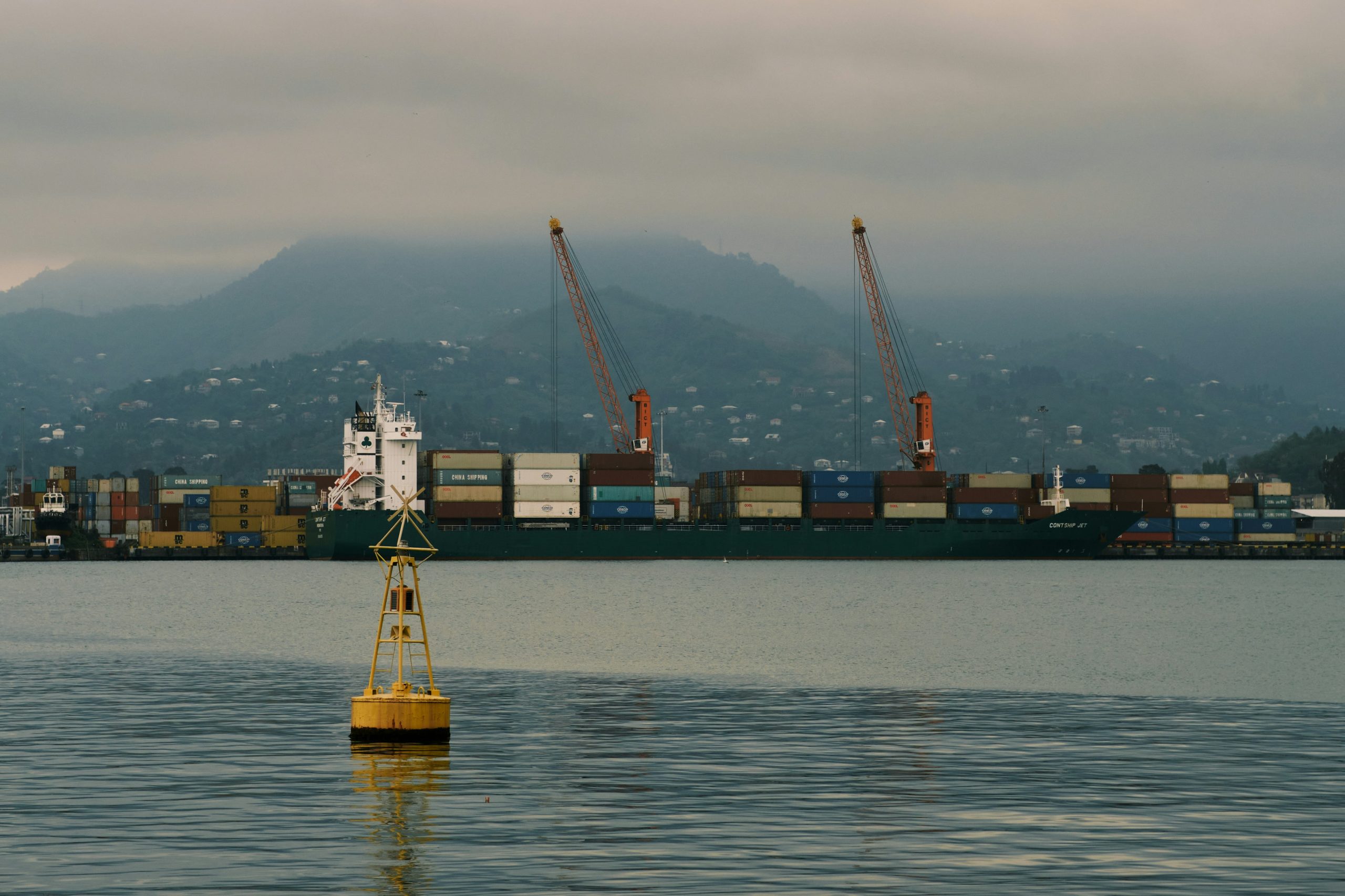
Photo by Artur Adilkhanian on Unsplash
Somewhere in the Persian Gulf right now, a cargo ship is sitting still.
It has been sitting still for twelve days. Its crew — Filipino, Indian, Pakistani, a mix of men from countries that have nothing to do with the war being fought around them — are eating through their provisions, watching the news on their phones, and waiting for someone to tell them it is safe to move.
Some of them have not spoken to their families in weeks.
Some of them watched from the deck as a vessel three miles away was struck by a drone and caught fire.
They are not soldiers. They are not politicians. They are workers — the invisible people who move the world’s goods from one place to another and who nobody thinks about until the goods stop moving.
Right now, across the Persian Gulf, there are over 150 ships in the same position. Anchored. Waiting. Trapped between a war they didn’t start and a world that needs what they are carrying.
This is the human story of the Strait of Hormuz — and of what happens to ordinary people when the most important waterway on earth closes.
Five Crew Members Are Already Dead
Before we talk about oil prices and supply chains, let us start with what war always starts with.
People dying.
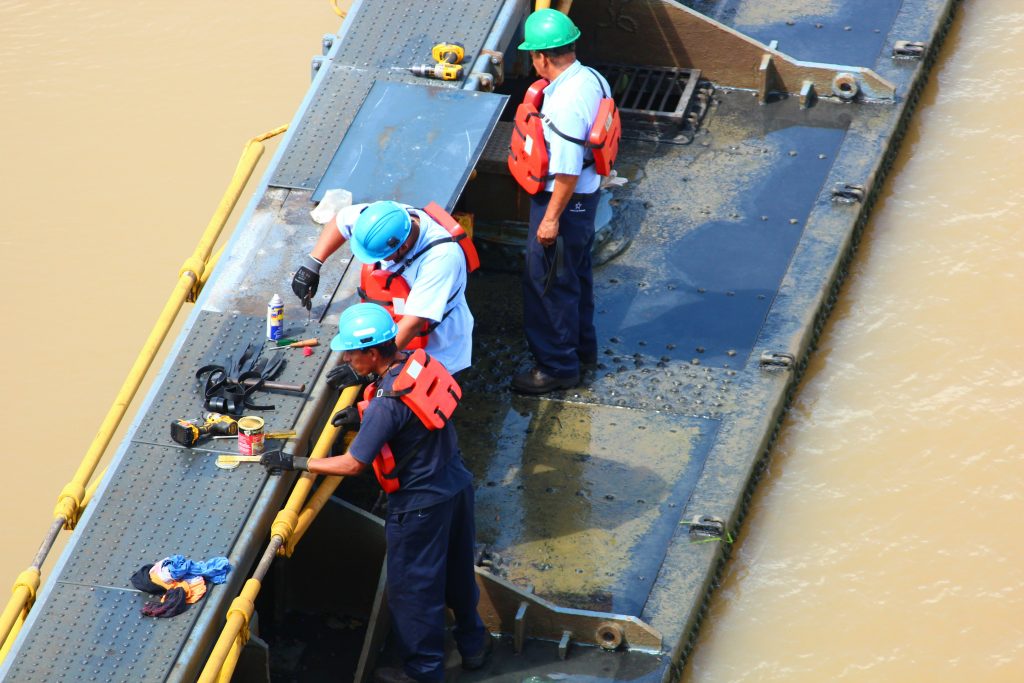
Photo by Brian J. Tromp on Unsplash
Since Iran declared the Strait of Hormuz closed on March 2, 2026, at least ten attacks on commercial ships have been confirmed. Five crew members have been killed. A port worker died and two others were wounded when a tanker was struck twice in the port of Bahrain, causing a fire that burned for hours.
These were not military targets. They were working people at a port, doing an ordinary job, on an ordinary morning — until the war arrived.
“The priority for the industry is not just moving cargo, but protecting the lives of seafarers.”
— CEO, major Greek shipping company
That is the part the economic analysis always misses. Behind every barrel of oil, every container of goods, every tanker — there are human beings. And right now, those human beings are being asked to risk their lives to keep the global economy moving.
Most of them are saying no.
The Farmers Who Don’t Know It Yet
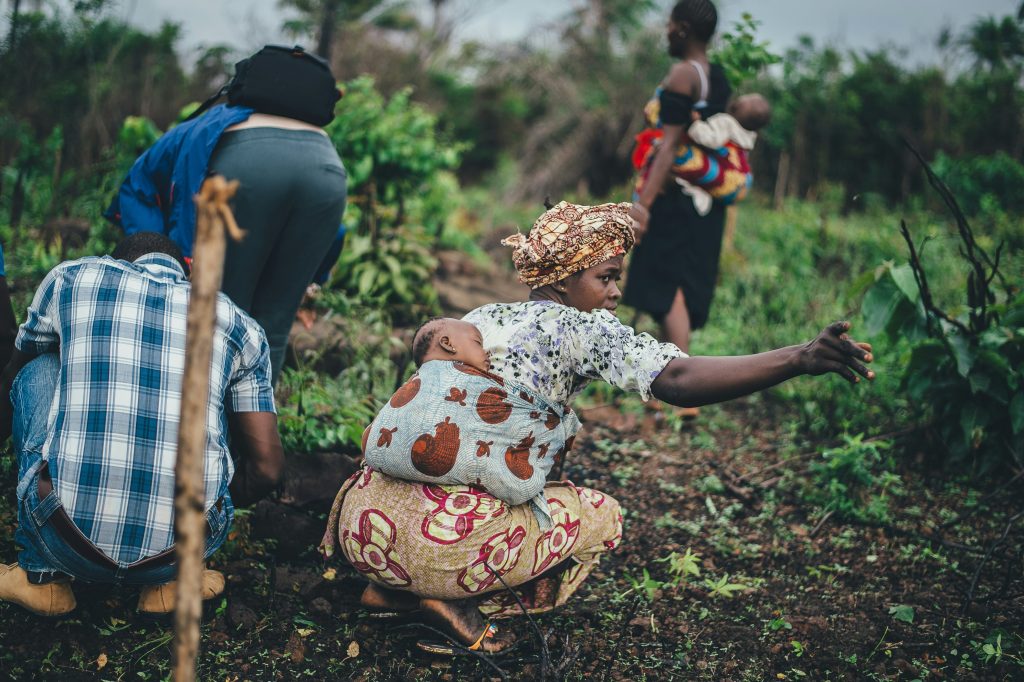
Photo by Annie Spratt on Unsplash
On a farm somewhere in sub-Saharan Africa, a planting season is about to begin.
The farmer has been planning it for months — calculating what fertiliser to buy, negotiating with suppliers, preparing the soil. What he doesn’t know yet is that the price of the fertiliser he needs has already jumped 43% in the past two weeks.
And it is still rising.
Roughly one third of all global fertiliser trade transits the Strait of Hormuz. Nitrogen, ammonia, sulphur — the chemical inputs that enable modern agriculture to feed the world — flow through that 33-kilometre channel in enormous volumes every day.
Now they are not flowing.
The consequences will not land on traders or commodity funds or government officials managing strategic reserves. They will land on farmers already operating on the thinnest of margins — in countries where food inflation is not an inconvenience but a matter of survival.
This is the cruel geometry of how wars affect the world’s most vulnerable people. A conflict between powerful nations over nuclear weapons and regional dominance will be paid for, in part, by a farmer who has never heard of the Strait of Hormuz.
Iraq’s Oil Workers Are Being Sent Home
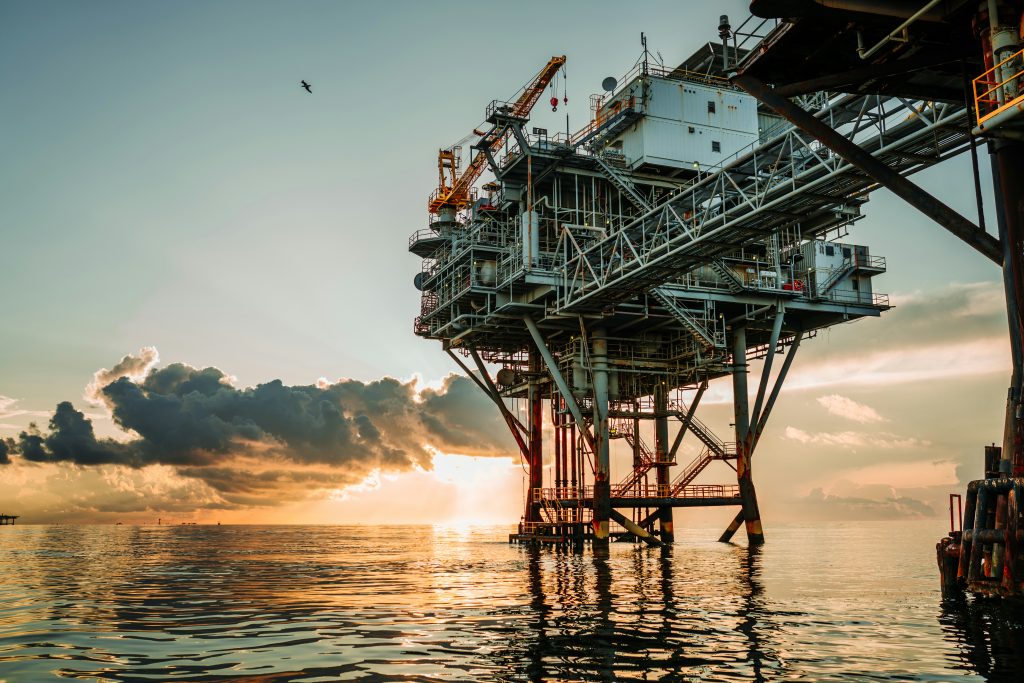
Photo by Nathan Forbes on Unsplash
This is the detail that rarely makes the headlines.
Iraq — one of the world’s major oil producers — has been forced to shut down production at some of its largest oil fields.
Not because of bombs. Not because of any attack on Iraqi soil. But because the Strait of Hormuz is closed, and Iraq has nowhere to send the oil it is pumping. The storage tanks are full. The tankers are not coming. So the wells have to stop.
The workers being sent home from those fields have families to feed. Mortgages. Rent. Children in school.
Their livelihoods have been suspended by a conflict they had no say in — fought by powers whose decisions were made in Washington, Tehran, and Jerusalem, far from the oil fields where ordinary Iraqi workers are now sitting at home, waiting.
What Is Rising in Price — and What That Means for Real Families
Let us be specific. Because specificity is what connects a geopolitical crisis to a human life.
| WHAT | HOW MUCH | WHO PAYS |
|---|---|---|
| Oil prices | Up 40%+ | Every family that drives or uses transport |
| Petrol at the pump (US) | Up $0.50+ per gallon | Commuters, small businesses |
| Fertiliser (urea) | Up 43% | Farmers across Africa and Asia |
| Natural gas | Natural gas | Families heating homes in Europe and Asia |
| Aluminium | Rising | Medical equipment, food packaging, cars |
These are not numbers on a trading screen.
They are the cost of groceries for a family in Manila. The price of medicine for a patient in Nairobi. The heating bill for a pensioner in Warsaw.
War distributes its costs most heavily to those who had the least to do with starting it.
The Seafarers Trapped on Both Sides
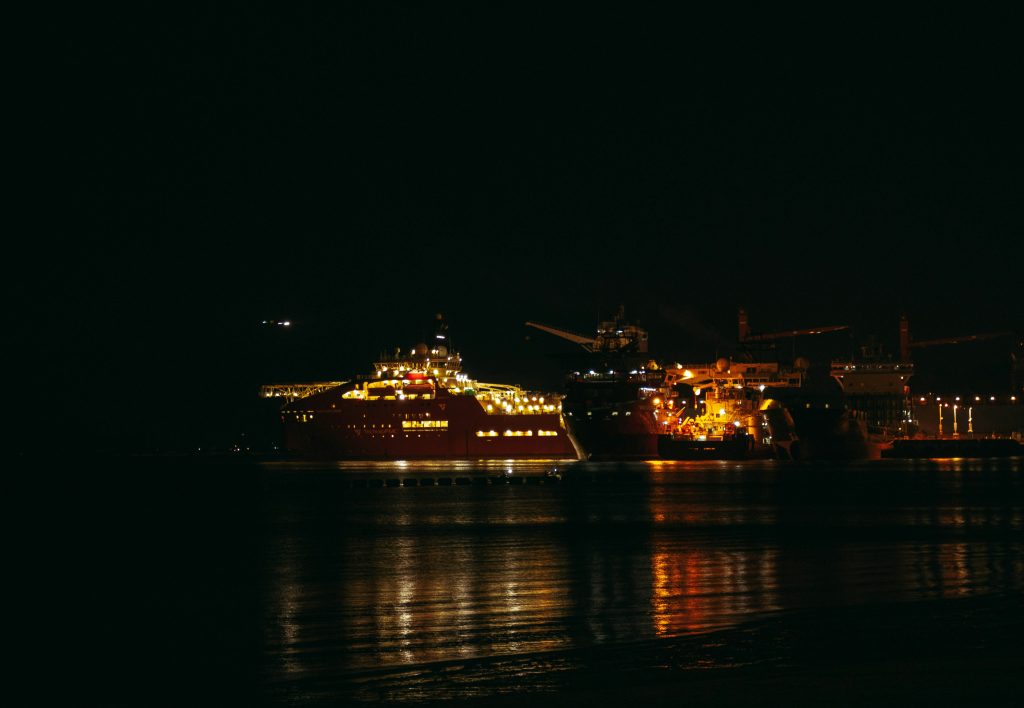
Photo by moondzeyr on Unsplash
On one side of the strait, ships heading in are now idling in the Gulf of Oman, unable to proceed. On the other side, ships that were already inside the Persian Gulf when the closure was announced are trapped — unable to get out.
Among them are 55 Chinese-flagged vessels, dozens of tankers from India, South Korea, and Japan, and cargo ships carrying food, medicine, and industrial goods destined for ports across Asia.
The crews of these ships are experiencing something that has no name in maritime law. A kind of accidental imprisonment — caught between geopolitics and geography, waiting for a decision to be made by people who will never spend a night on a ship in a war zone.
One container ship tried to make a midnight run through the strait on March 1 — turning off its tracking signal and going dark for nearly seven hours before reappearing on the other side.
Whether the people on board were terrified, brave, or both, we don’t know.
We only know they made it. Most ships are not trying.
The People of Pakistan Are Rerouting Their Survival
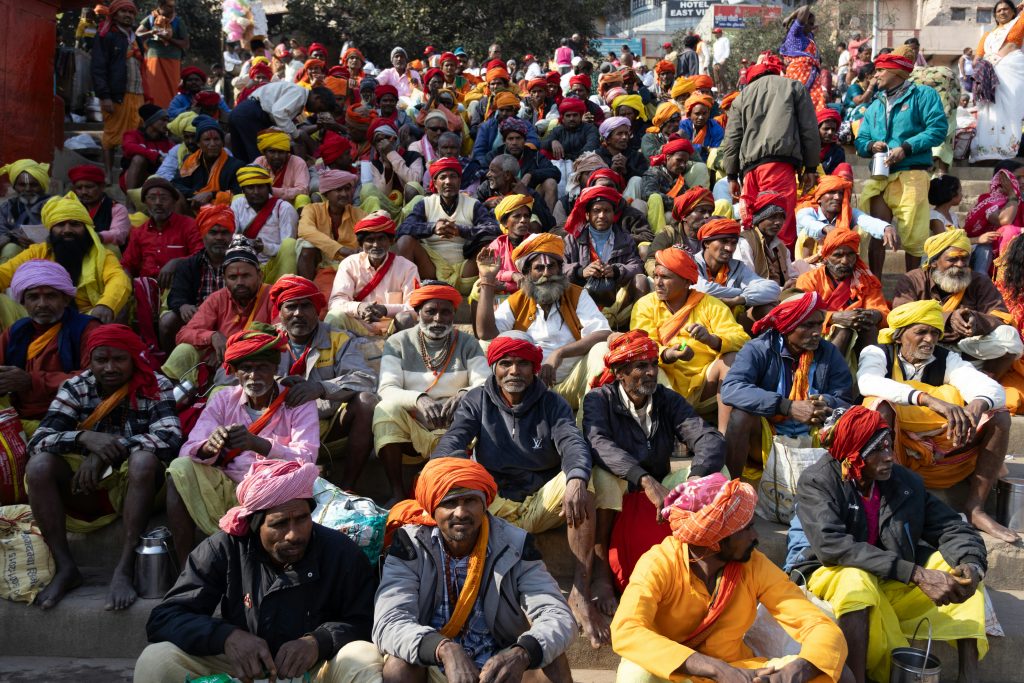
Photo by Manish Mishra on Unsplash
Pakistan relies almost entirely on imported oil.
When the strait closed, the government immediately contacted Saudi Arabia and asked it to reroute crude oil through its Red Sea port — bypassing the Persian Gulf entirely. Saudi Arabia agreed.
But rerouting is expensive. Slower. And every additional cost is ultimately passed on to Pakistani consumers — in fuel prices, in electricity bills, in the cost of food.
Pakistan is already navigating a severe economic crisis. Its people are already stretched.
The additional burden being placed on them by a conflict they had no role in is not a rounding error. For millions of families, it is the difference between managing and not managing.
The Question This Crisis Forces Us to Ask
There is a deeper question underneath all of this.
Why has the world allowed itself to be so completely dependent on a single narrow waterway — 33 kilometres wide — for such a critical share of everything that keeps modern life functioning?
Decades of warnings. Decades of expert analysis identifying this exact scenario. Decades of knowing. And yet the infrastructure of global trade was built, and rebuilt, and expanded in ways that deepened the dependency rather than reduced it.
The answer, if we are honest, is this: the people who made those decisions did not bear the cost when things went wrong.
The shipping executives, the energy traders, the policymakers who presided over the deepening of this dependency — they are not the ones sitting on anchored ships in a war zone. They are not the farmers watching fertiliser prices double. They are not the families in Karachi, Nairobi, or Manila who are going to feel this crisis in their bodies, in their diets, in their children’s lives.
That is the through line that connects this story to every other story Cons of War covers.
In every conflict, in every crisis, the costs are borne by people who had no power over the decisions that created them.
The Strait of Hormuz is 33 kilometres wide.
The distance between those who start wars and those who pay for them is immeasurably greater.
Cons of War is an independent publication documenting the human cost of conflict worldwide. For story tips and editorial enquiries contact editor@consofwar.com