
By Cons of War Editorial | March 24, 2026 | 8 min read
Cuba asked the Pope to intervene. He said yes.
Somebody’s grandmother is giving away her food.
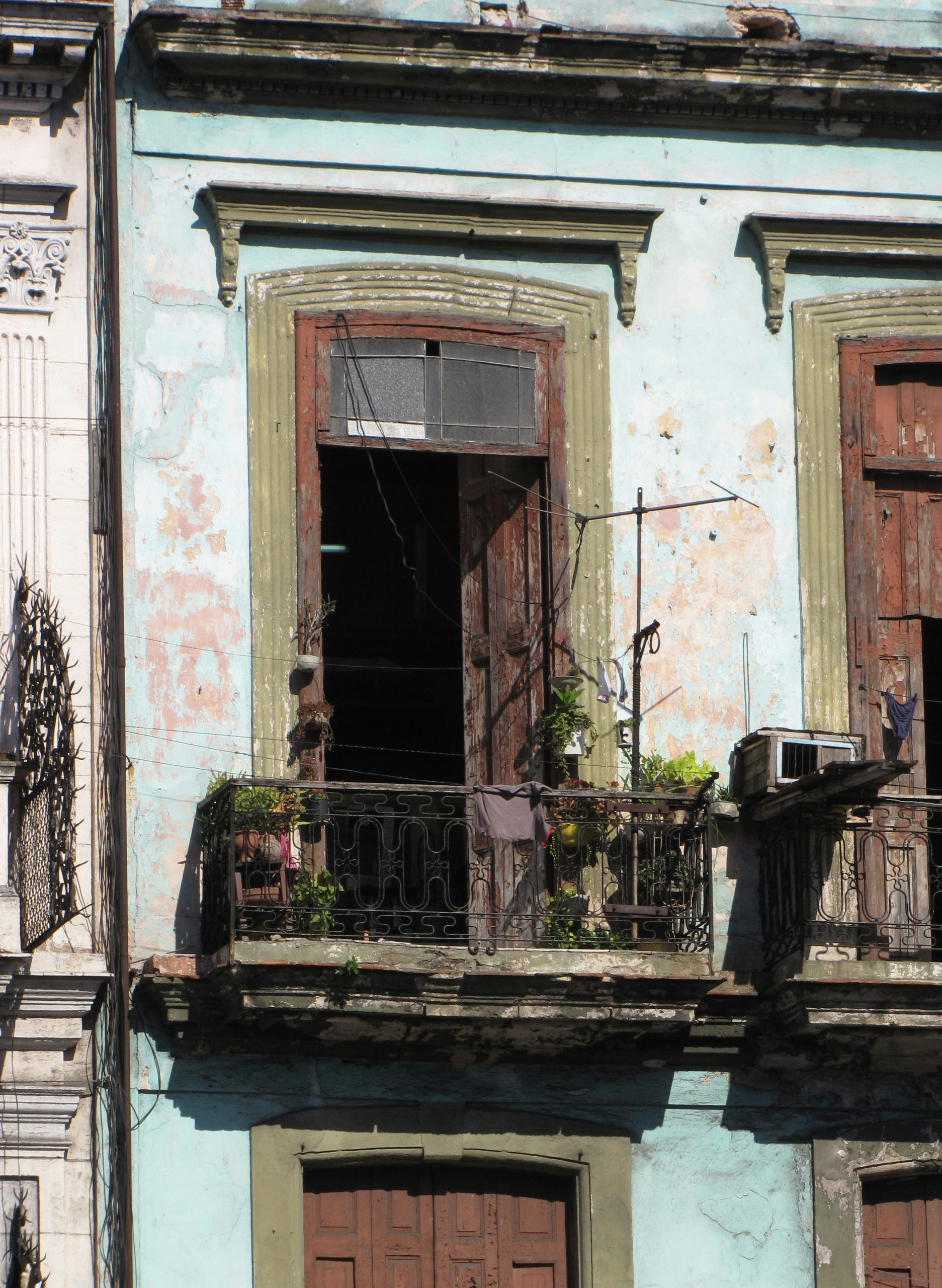
She can’t keep it. The fridge hasn’t worked in days. The power has been out so long she’s stopped expecting it to come back. So she stands in her doorway in Havana and hands out what will spoil anyway — because what else do you do when the country goes dark and nobody is coming?
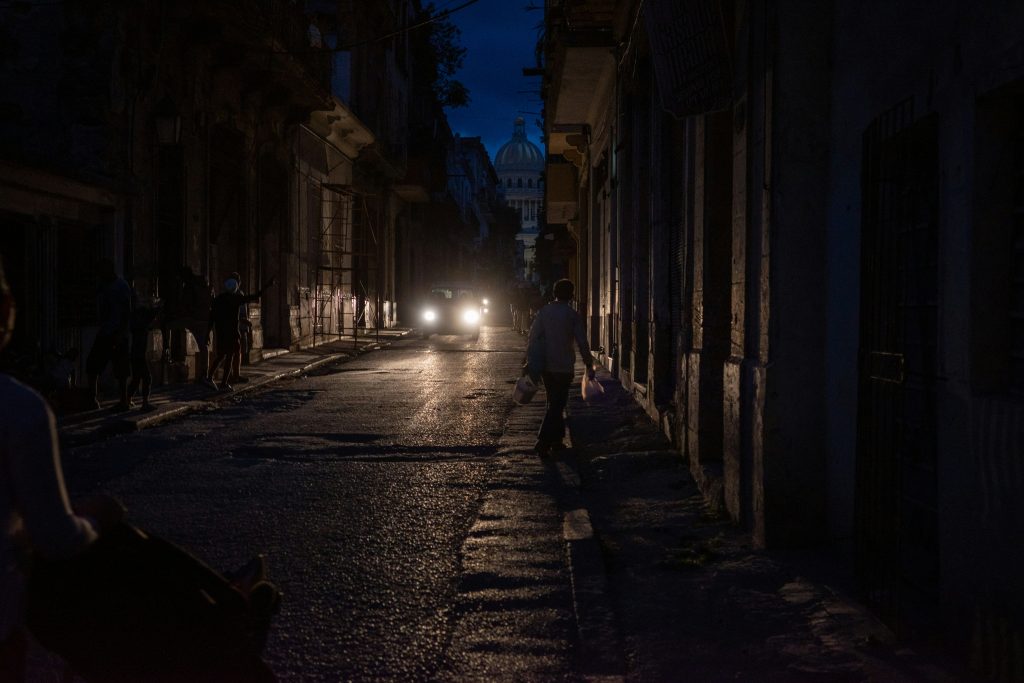
Cuba’s national power grid has collapsed multiple times this month.
Not flickered. Collapsed.
Millions of people plunged into darkness, again and again. Hospitals delaying procedures. Streets filling with uncollected waste. Families cooking over open fires like it’s another century.
“This is what a blockade looks like from the inside. Not sanctions on paper. Not trade figures in a spreadsheet. A grandmother giving away her food before it rots.”
The Fuel Is Running Out
For years, Cuba depended heavily on subsidised oil from Nicolás Maduro’s Venezuela — a quiet exchange of energy for doctors, intelligence, and political loyalty. But Venezuela’s own crisis has reduced its ability to supply. Tightening U.S. sanctions have made replacement shipments harder and riskier.
The result is the same, regardless of the cause.
Energy is scarce. Infrastructure is failing. The margin for survival is shrinking.
A Russian tanker arrived in Havana recently with crude — a temporary lifeline. Enough to stabilise things, briefly.
Not enough to solve anything.
“Enough to stabilise. Not enough to solve. That is the story of Cuba in 2026.”
So Cuba Went Somewhere Unexpected
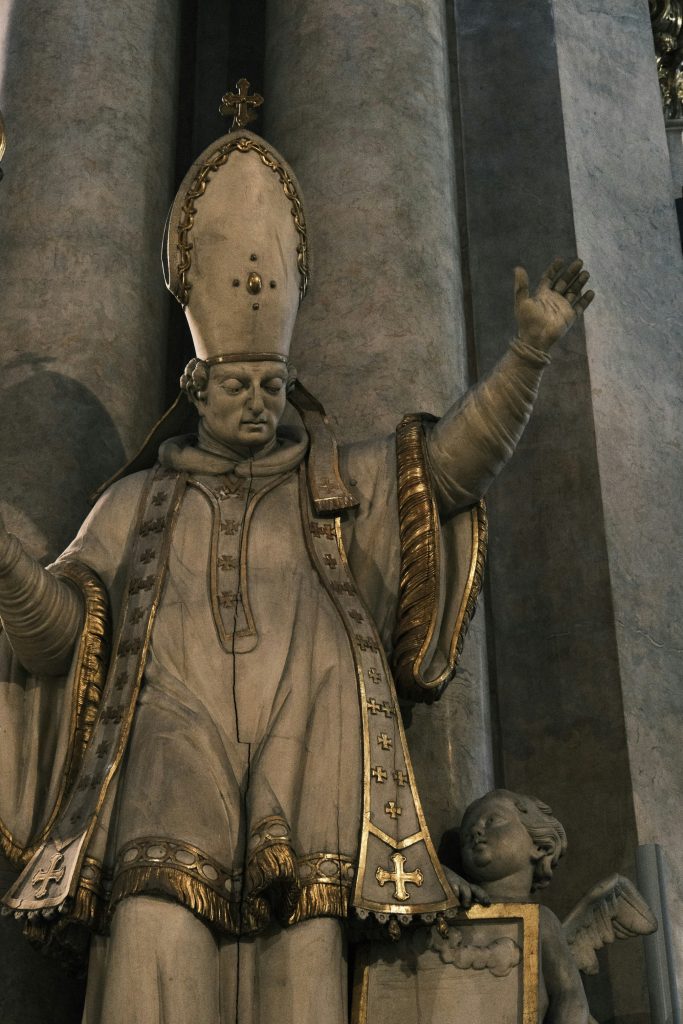
Senior Cuban officials approached Pope Leo XIV and formally asked him to intervene — to speak to Donald Trump, to open a channel, to make the case that millions of people should not be reduced to leverage.
The Pope said yes.
Think about that for a moment.
After the 1959 revolution led by Fidel Castro, the Cuban state pushed the Catholic Church to the margins. Clergy were expelled. Religious schools were nationalised. Christmas disappeared from public life for decades. Believers were excluded — quietly but systematically — from political participation.
The Church survived. But just barely.
“And now, the same revolution is knocking on its door.”
Faith, Invoked Where Ideology Has Run Out of Options
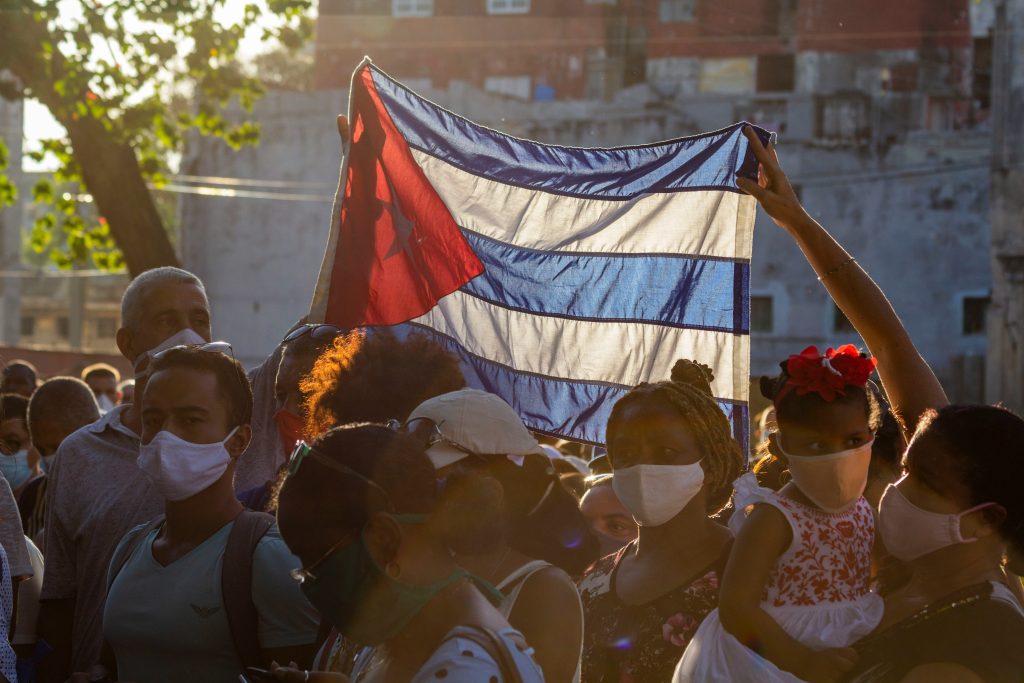
On February 1, Catholic bishops across Cuba issued a rare nationwide message warning of rising social strain. It was not suppressed. It couldn’t be.
The state needs the Church now.
The Pope responded quickly. A call for dialogue. A symbolic appeal to Cuba’s patron saint, the Virgen de la Caridad del Cobre.
Whether Washington listens is another matter.
The United States has maintained a hardline stance on Cuba for decades — framing it as both a political and a security issue. That kind of positioning does not easily bend. Not to diplomacy. Not even to the Vatican.
But the request has been made.
“And that matters. Because it tells you exactly how desperate things have become.”
The People Who Did Not Choose This
None of this absolves the Cuban government.
It has imprisoned dissent, restricted speech, and suppressed protest long before this crisis.
But the people sitting in the dark did not choose all of that.
And they are the ones paying for it now.
The Vatican understands that distinction.
“The people who suffer the consequences of a political system are rarely the ones who built it.”
Somewhere in Havana
A grandmother is still standing in her doorway.
Still giving away her food.
Nobody powerful is watching.
Nobody powerful is counting.
The wars are not hidden.
We are just not looking at what they are doing to real people.
Sources & Further Reading
Reuters: Cuba Power Crisis 2026
Al Jazeera: Cuba Vatican Intervention Request
BBC: Cuba Energy Collapse
Associated Press: Pope Leo XIV Cuba Response
Cons of War is an independent publication documenting the human cost of conflict worldwide. Write to us at editor@consofwar.com