

Photo by Artists Eyes on Unsplash
By Cons of War Editorial | March 19, 2026 | 11 min read
At 11:03 AM in Mumbai, a pharmacist wrote three sentences that explain a global crisis better than most governments have.
Jay Desai — a verified pharmacist on X — posted:
“Rising fuel prices aren’t just an economic issue. They directly impact public health. Higher costs often lead to poorer nutrition, delayed healthcare, and increased mental stress.”
He was writing from India, one of the world’s largest oil importers. But his words landed equally hard in Rotterdam, Warsaw, Athens, and Paris — because Europe is currently living exactly what he described.
This is that story.
Europe Is Already Feeling It
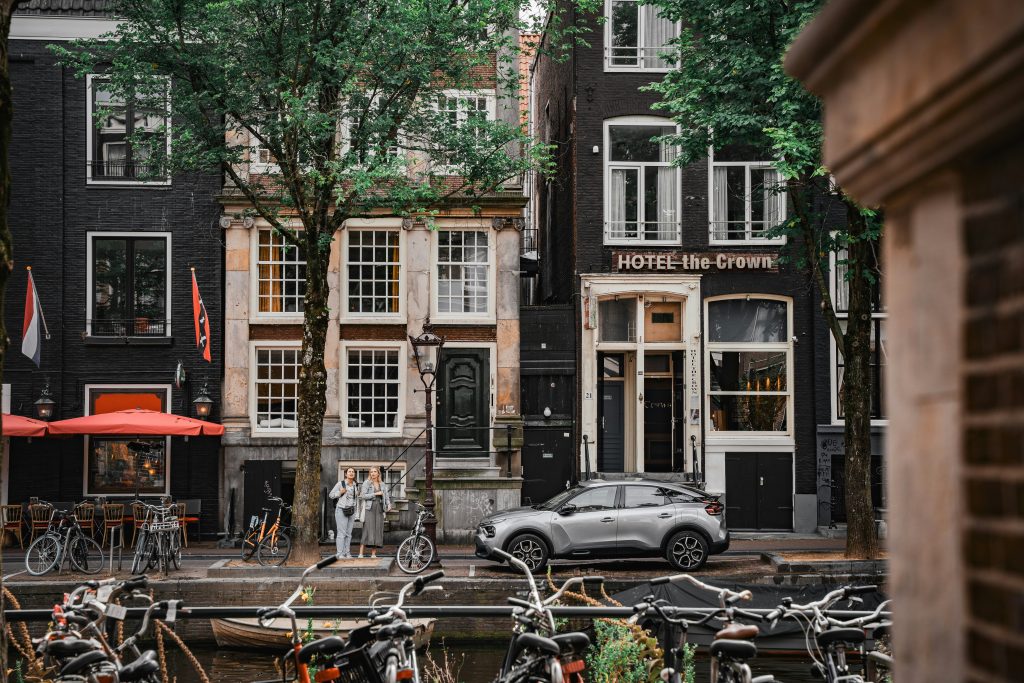
Photo by Eryk Piotr Munk on Unsplash
Petrol and diesel prices across Europe have been rising in line with global oil costs since the Iran conflict escalated. Brent crude briefly hit $119 a barrel twice since the first US-Israeli strikes on Iran in late February.
As of March 16, 2026, the average price of Euro 95 petrol across all 27 EU member states is €1.711 per litre. The most expensive country is the Netherlands at €2.262 per litre. (fuel-prices.eu, March 2026)
Governments are scrambling. The UK has announced a £53 million package for vulnerable customers with energy bills capped until the end of June. Greece has introduced a three-month cap on profit margins at fuel stations. France’s TotalEnergies has capped petrol at €1.99 per litre. Hungary has capped petrol at 595 forints per litre. (RTE News, March 19, 2026)
These are emergency measures. And emergency measures get introduced when ordinary families can no longer manage.
“Fuel prices are not abstract numbers on a screen. They are the difference between driving to the clinic and not. Between eating well and not.”
The Chain Nobody Explains
A conflict breaks out in the Middle East. A strait closes. An oil field shuts down.
Fuel prices rise.
Transport costs follow — because almost everything that moves, moves on fuel. The food in your supermarket travelled to get there. The medicine in your pharmacy was manufactured somewhere and shipped somewhere. The energy in your home runs on gas whose price responds to every missile fired in the Persian Gulf.
Then families make choices.
They buy the cheaper cut of meat. They skip the vitamins. They delay the appointment. They turn the thermostat down.
“They are not dramatic decisions. They are quiet trade-offs — repeated weekly — that accumulate into illness.”
What Cold Homes Do to People — In the Countries Still Heating Them

Photo by Amin Hasani on Unsplash
It is March 19. In Poland, temperatures sit between 2°C and 9°C. In Germany, between 2°C and 10°C. In the UK, the average this week is 6°C. In these countries, home heating is not optional — it is a medical necessity.
A pensioner in Warsaw is still running their heating this week. So is a family in Berlin. So is a single parent in Liverpool. The question is not whether to heat — it is what else gets cut to pay for it.
A European scoping review covering 35 studies found a significant association between fuel poverty and poor mental health — including anxiety and depression — as well as cardiovascular and respiratory disease. Children and older adults were identified as particularly vulnerable. (University of Aberdeen, PMC)
The NHS in Britain already spends roughly £1.3 billion annually treating preventable conditions caused by cold, damp homes alone. Healthcare leaders have warned that if households cannot be protected from unaffordable energy prices, the consequences land on hospitals and GP surgeries in the form of increased admissions and emergency demand. (NHS Confederation)
“Cold homes don’t just make people uncomfortable. They make people ill. And the bill for that illness lands on health systems already under pressure.”
Southern Europe Feels It Differently — Not Less
In Athens this week, temperatures reach 17°C. In Madrid, 16°C. In Lisbon, 18°C. Heating is not the issue here.
But fuel poverty still is.
A family in Athens facing the same fuel price spike as a family in Warsaw does not feel it in their heating bill. They feel it in the cost of driving to the supermarket, to the school, to the clinic. In the price of vegetables that travelled on diesel trucks. In the cost of the ferry to the island where the specialist works.
French households already dedicate an average of 6.9% of their total budget to fuel — the highest among major European countries analysed. (Transport & Environment, 2025) When that percentage rises, something else in the budget falls.
It is usually healthcare or food.
“The war in the Persian Gulf is not just raising the cost of filling your tank. It is raising the cost of filling your plate.”
The Energy Crisis and Its Health Impact on Food
Photo by Ankit Karnany on Unsplash
Energy and food prices move together — and most people do not know why.
Fertiliser is the hidden link. Nitrogen-based fertiliser — used across European agriculture — relies heavily on natural gas as both a raw material and an energy source. When gas prices rise, fertiliser prices rise. When fertiliser costs rise, food production costs rise. When food production costs rise, supermarket prices follow.
Research published in January 2026 found that Europe’s gas-to-coal energy shift during the 2021-22 price spike led to a 17% rise in premature deaths and serious illness across affected countries. (ScienceDirect, January 2026)
Egypt — the world’s largest wheat importer — has already capped bread prices as inflation fears grow. The price of grain there has risen roughly eightfold. That is not an outlier. It is a signal.
“The chain runs from a conflict in the Gulf, to a gas price in Rotterdam, to a supermarket shelf in Lyon. Most people only see the last link.”
The Mental Health Nobody Counts

Photo by Vitaly Gariev on Unsplash
Jay Desai mentioned mental stress in passing. It deserves more.
Financial pressure and mental health are closely linked across all income levels and countries. Severe economic stress is associated with anxiety, depression, and crisis.
People under that pressure make worse health decisions, seek care less often, and struggle to maintain the routines — sleep, exercise, social connection — that protect long-term wellbeing.
Low-income households are more likely to drive older, less fuel-efficient vehicles — consuming more per kilometre and leaving them especially exposed to every price spike. Patterns of suburban development have pushed many of these households to city outskirts where public transport is limited or absent. (Transport & Environment, 2025)
They cannot easily stop driving. They cannot easily switch. They absorb the cost — and something else gives way.
“War does not just destroy bodies on a battlefield. It degrades health quietly, in the homes of people who are nowhere near the fighting.”
From Mumbai to Manchester
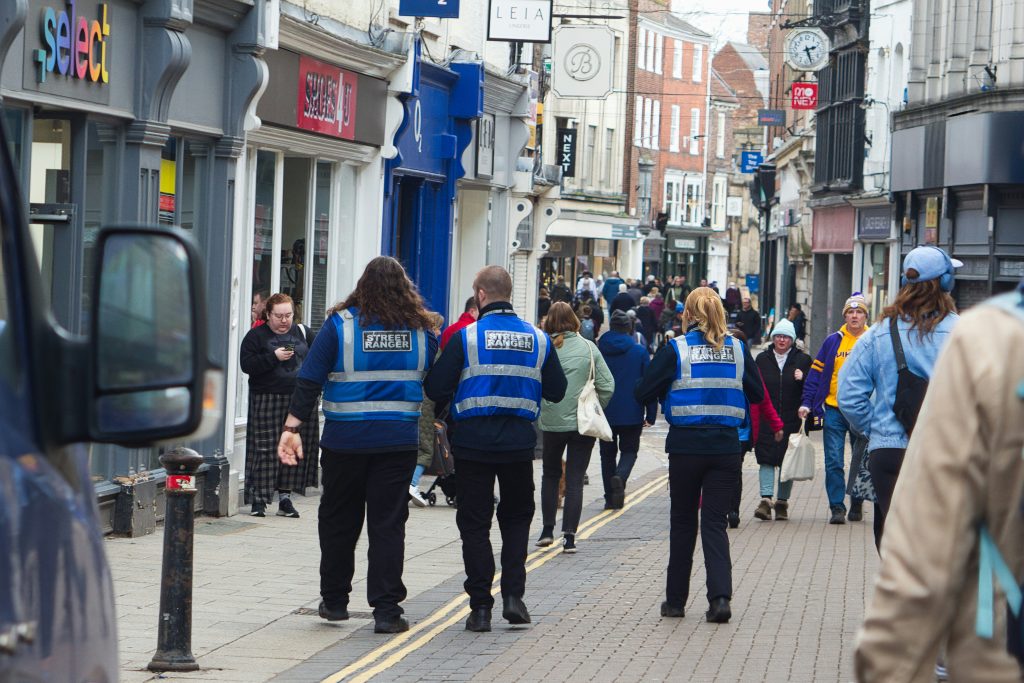
Photo by Scott Precious on Unsplash
Jay Desai wrote from Mumbai. His observation applies in Manchester, Munich, and Marseille just as much — and differently in each.
In Warsaw, a pensioner running the heating this week is calculating whether the electricity bill leaves room for the prescription. In Athens, a family is skipping the clinic visit because the taxi costs too much. In Lyon, a nurse is buying cheaper meals because her energy bill has doubled.
Nobody is reporting on these people. Nobody is counting them.
But they are paying for the same conflict that closed the Strait of Hormuz, sent oil past $119 a barrel, and is now being settled — quietly, weekly — in households across a continent.
“The wars are not just in the places they are fought. They arrive in heating bills, in supermarket aisles, in the quiet decisions families make about what they can no longer afford.”
The Bill Nobody Itemises
Governments are capping prices. Energy companies are announcing emergency measures. Finance ministers are meeting.
But nobody is drawing the line from the conflict in the Persian Gulf to the pensioner in Warsaw rationing their heating, to the family in Athens who skipped the clinic, to the child in Lyon eating less well this month than last.
A pharmacist in Mumbai saw the connection in three sentences.
Rising fuel prices aren’t just an economic issue. They are a health crisis — and they are, at their root, a consequence of war, paid for by people who had no say in starting it.
Sources & Further Reading
Euronews: The Iran Oil Shock — Who Pays the Most Fuel Tax in Europe? March 19, 2026 — euronews.com
fuel-prices.eu: EU Fuel Prices March 16, 2026 — fuel-prices.eu
RTE News: How Are European Governments Tackling Surging Fuel Costs? March 19, 2026 — rte.ie
University of Aberdeen / PMC: Energy, Fuel Poverty and Health Scoping Review — pmc.ncbi.nlm.nih.gov
NHS Confederation — nhsconfed.org
Transport & Environment: Rising Fuel Prices and European Vulnerability, 2025 — transportenvironment.org
ScienceDirect: Environmental and Health Costs of Europe’s Gas-to-Coal Shift, January 2026 — sciencedirect.com
UN Food and Agriculture Organisation — fao.org
World Food Programme — wfp.org
Cons of War is an independent publication documenting the human cost of conflict worldwide. Write to us at editor@consofwar.com